Which Real Estate Offer Strategy Mistakes Should GTA Buyers Avoid?
Learn which real estate offer strategy mistakes GTA buyers should avoid, from budget and valuation errors to unclear terms and weak closing preparation.

Amit Chopra
REALTOR® · RE/MAX Optimum Realty
A strong real estate offer strategy is not simply about offering the most money. It should fit your comfortable affordability, reflect evidence about the property, use terms you understand, and leave you with a workable path to closing. That principle applies whether you are considering homes for sale in Mississauga, Brampton, Toronto, or elsewhere in the GTA.
The most avoidable problems usually happen before an offer is submitted: choosing a price from the wrong budget, treating the list price as proof of value, overlooking comparable sales or property history, and agreeing to terms without understanding their implications. A careful review with an experienced REALTOR® can help you distinguish a competitive offer from an unnecessarily risky one.
Quick summary
- Set your offer around comfortable monthly affordability, not simply your maximum approval or purchase limit.
- Use comparable sales, property condition, features, and history to assess value instead of anchoring on the list price.
- Evaluate terms, timing, conditions, and completion certainty alongside price.
- Clarify your priorities, obtain appropriate professional advice, and understand the path from acceptance to closing before signing.
Offer strategy mistakes at a glance
| Risky approach | Why it creates exposure | Decision check |
|---|---|---|
| Starting with the maximum budget | A technically possible payment may not be comfortable once ownership costs and life expenses are considered. | Define the monthly cost you can reasonably carry. |
| Using the list price as value | The asking price does not explain the home’s condition, features, history, or comparable sales. | Ask what relevant evidence supports the proposed price. |
| Ignoring property evidence | You may overvalue or undervalue the home because important context has not been reviewed. | Review comparable sales and property history with your REALTOR®. |
| Focusing only on price | A high price can be a poor decision if terms are unclear or the transaction is difficult to complete. | Assess price, timing, conditions, certainty, and priorities together. |
| Adding unclear terms | Misunderstood wording can create confusion about responsibilities, dates, or risk. | Understand every term and obtain specialist advice where appropriate. |
| Skipping final review | A rushed submission can leave important questions unanswered. | Review the complete offer before signing. |
| Planning only for acceptance | An accepted offer begins the next stage of coordination and deadline management. | Know what needs to happen through closing. |
Starting with your maximum budget instead of comfortable affordability
Your maximum borrowing capacity or purchase price is not automatically the right limit for an offer. Buyers also need to consider the monthly cost they can live with while allowing room for ordinary ownership expenses, changing circumstances, and other financial commitments.
A budget-first home search begins by identifying what feels sustainable each month. Amit Chopra’s buyer process is built around clarifying comfortable monthly costs before comparing properties and preparing offers. Learn more about buyer representation.
Before discussing a price, ask: “If this offer is accepted, will the ongoing cost still fit the life I want to maintain?” A mortgage professional can address financing questions, while your REALTOR® can connect the budget to the properties and terms you are considering.
Treating the list price as objective property value
The list price is a reference point, not a complete explanation of what a home is worth to you. Consider it alongside condition, layout, updates, location, features, and relevant comparable sales. The right offer may be above, below, or close to asking depending on the evidence and your priorities.
Anchoring too strongly to the list price creates two risks. You might offer more than the evidence supports because the asking price feels authoritative, or reject a property without understanding how its features and condition differ from other homes.
A better question is: “What explains the relationship between this asking price and the most relevant comparable properties?”
Overlooking comparable sales and property history
Comparable sales analysis helps put a property in context. The useful comparison is not simply another home in the same city. It should be relevant to the property being considered, with differences in type, size, condition, features, and setting taken into account.
Property history can add another layer of context. It may help you ask better questions about previous activity, changes, or how the home has been presented over time. History is not a substitute for current professional assessment, but ignoring it can leave gaps in your understanding.
When reviewing GTA property listings and featured opportunities, ask:
- Which comparable sales are genuinely relevant?
- What does the available property history add to our understanding?
- Which features or condition issues affect the comparison?
- What evidence supports the proposed price, and what remains uncertain?
Assuming the highest price is the strongest offer
Price matters, but it is only one part of an offer. Timing, conditions, clarity, certainty, and the buyer’s ability to complete the transaction can also affect how an offer should be evaluated. No specific term guarantees acceptance, and buyers should not remove protections without understanding the consequences.
Identify what matters most. Is your priority staying within a firm affordability limit, meeting a timing need, or resolving a property question before proceeding? Which terms are essential, and which are negotiable?
Effective real estate negotiation begins with those priorities and property-specific evidence. It is about deciding what you are willing to offer, what needs clarification, and where you should not compromise.
Adding terms that are unclear, impractical, or poorly understood
An offer contains more than a purchase price. It may include conditions, dates, inclusions, exclusions, timing expectations, and other terms affecting how the transaction proceeds. If you cannot explain what a term means and why it is included, pause before signing.
Ask your REALTOR® to explain each part in plain language. Consider whether dates are realistic, requested items are clearly identified, and everyone understands the responsibilities created by the wording.
This is educational guidance, not legal, mortgage, tax, or financial advice. Obtain advice from the appropriate lawyer, mortgage professional, inspector, or other qualified professional when needed.
Submitting an offer without a final professional review
Before submission, review the price, supporting evidence, conditions, dates, inclusions, exclusions, and identified risks. A second look can reveal an assumption that was never confirmed or a term that does not match your priorities.
Buyer representation can provide structured decision support, negotiation guidance, and coordination from offer through closing. It should complement, rather than replace, independent legal and financial advice.
A final review should leave you able to answer: What am I offering? Why does this price and structure make sense? What happens next if the offer is accepted?
Negotiating without defined priorities or evidence
Before discussions begin, separate must-haves from preferences, identify acceptable tradeoffs, and decide which concerns require more information rather than a concession.
One buyer may prioritize staying within a comfortable monthly cost. Another may value timing or resolving a property question. The correct priorities depend on the buyer and the property.
Amit’s client reviews frequently mention clear explanations, responsiveness, market knowledge, and negotiation support. Read the client testimonials to understand how clients describe that guidance. The useful standard is a transparent process, not a promise of a particular result.
Focusing on acceptance and forgetting the path to closing
An accepted offer is an important milestone, but it is not the end of the buyer’s work. Understand the next steps, documents requiring attention, professionals who need to coordinate, and dates that must be tracked.
Depending on the circumstances, buyers may coordinate with a lender, lawyer, inspector, insurer, or other professionals. Your REALTOR® can help organize communication and milestones, while each specialist advises within their own expertise.
Amit emphasizes a straightforward plan from the first conversation through closing day. This helps prevent treating the offer decision as separate from the practical work required to complete the purchase.
Questions to ask before submitting an offer
- What monthly cost feels comfortable, and how does this property fit within it?
- Which comparable sales support or challenge the proposed price?
- What does the available property history tell us?
- How do condition, features, and location affect the comparison?
- Which terms are essential, and which are genuine tradeoffs?
- Are the dates, conditions, inclusions, and exclusions clear and practical?
- What risks require specialist advice?
- If accepted, what is the plan from acceptance to closing?
A GTA pre-submission offer checklist
- Set a comfortable affordability range rather than relying only on a maximum limit.
- Review relevant comparable sales and available property history.
- Assess condition, features, timing, and terms alongside price.
- Define negotiation priorities, tradeoffs, and limits.
- Read and understand every part of the proposed offer.
- Obtain appropriate legal, financing, inspection, tax, or other specialist advice.
- Confirm how communication and deadlines will be managed after acceptance.
Frequently asked questions
How should comparable sales influence a real estate offer strategy?
Comparable sales provide context, not a mechanical answer. Review differences in property type, size, condition, features, and location, then consider property history and your priorities.
Should buyers focus on price or terms when making an offer?
Evaluate both. Price is important, but timing, conditions, clarity, and the practical certainty of completing the transaction also matter.
What should I review with a REALTOR® before submitting an offer?
Review the price, comparable sales, property history, conditions, dates, inclusions, exclusions, negotiation priorities, and the plan after acceptance.
Make the offer fit the evidence and the life you can afford
The best offer strategy is not automatically the most aggressive one. It fits your comfortable affordability, reflects relevant property evidence, uses terms you understand, respects your priorities, and leaves a realistic path to closing. A careful pause can prevent confusing urgency with sound decision-making.
If you are unsure, you may need more information rather than a higher offer. For personalized Buyer representation and guidance from offer to closing, contact Amit Chopra, REALTOR® with RE/MAX Optimum Realty, serving buyers in Mississauga, Brampton, Toronto, and the Greater Toronto Area.
Planning a move?
Get advice for your situation.
More insights
View all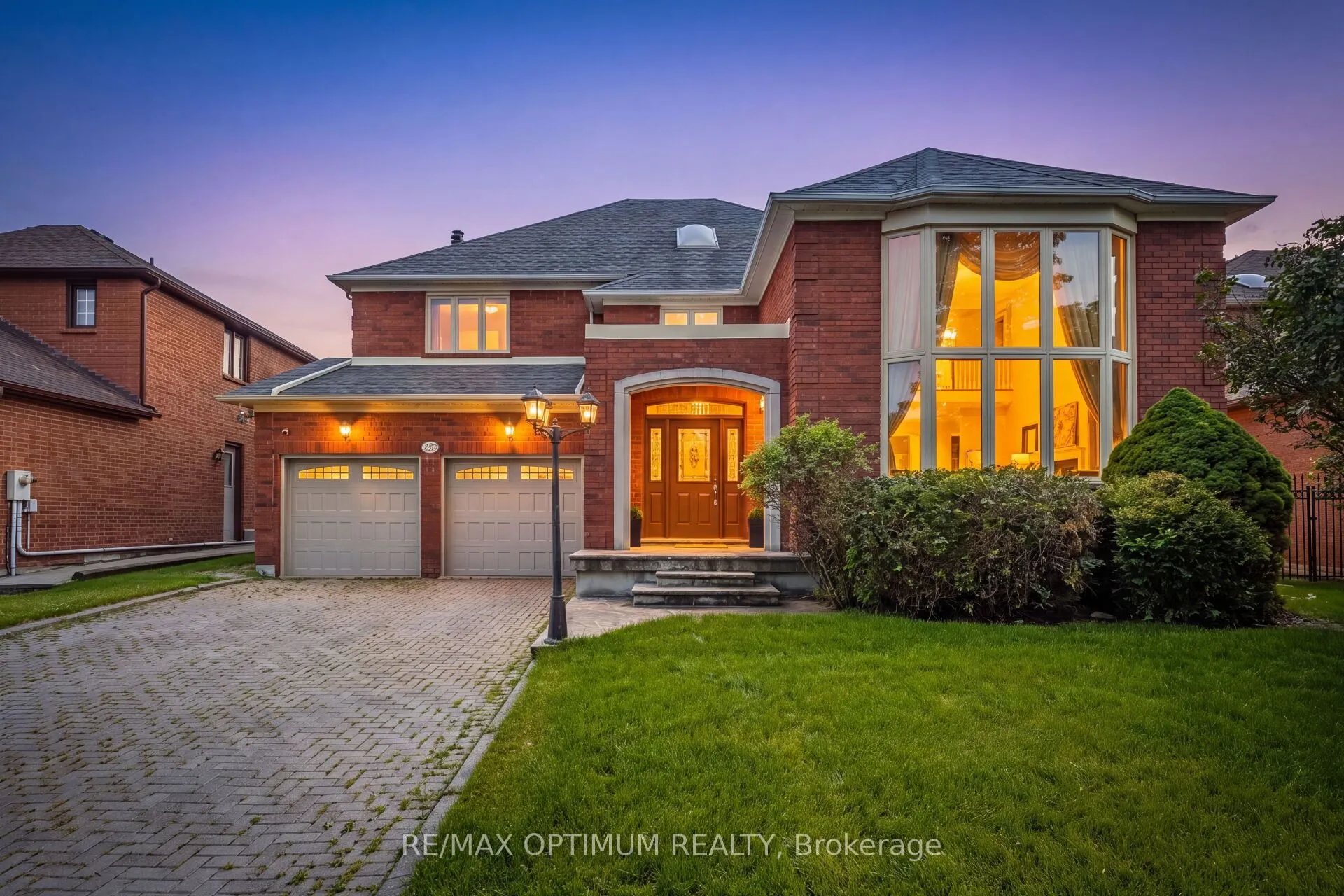
Mississauga Off-Market Property Listings: What Buyers Should Verify Before Making an Offer
Considering an off-market home in Mississauga? Learn how to verify listing status, value, seller authority, due diligence, costs, and offer conditions.
Read more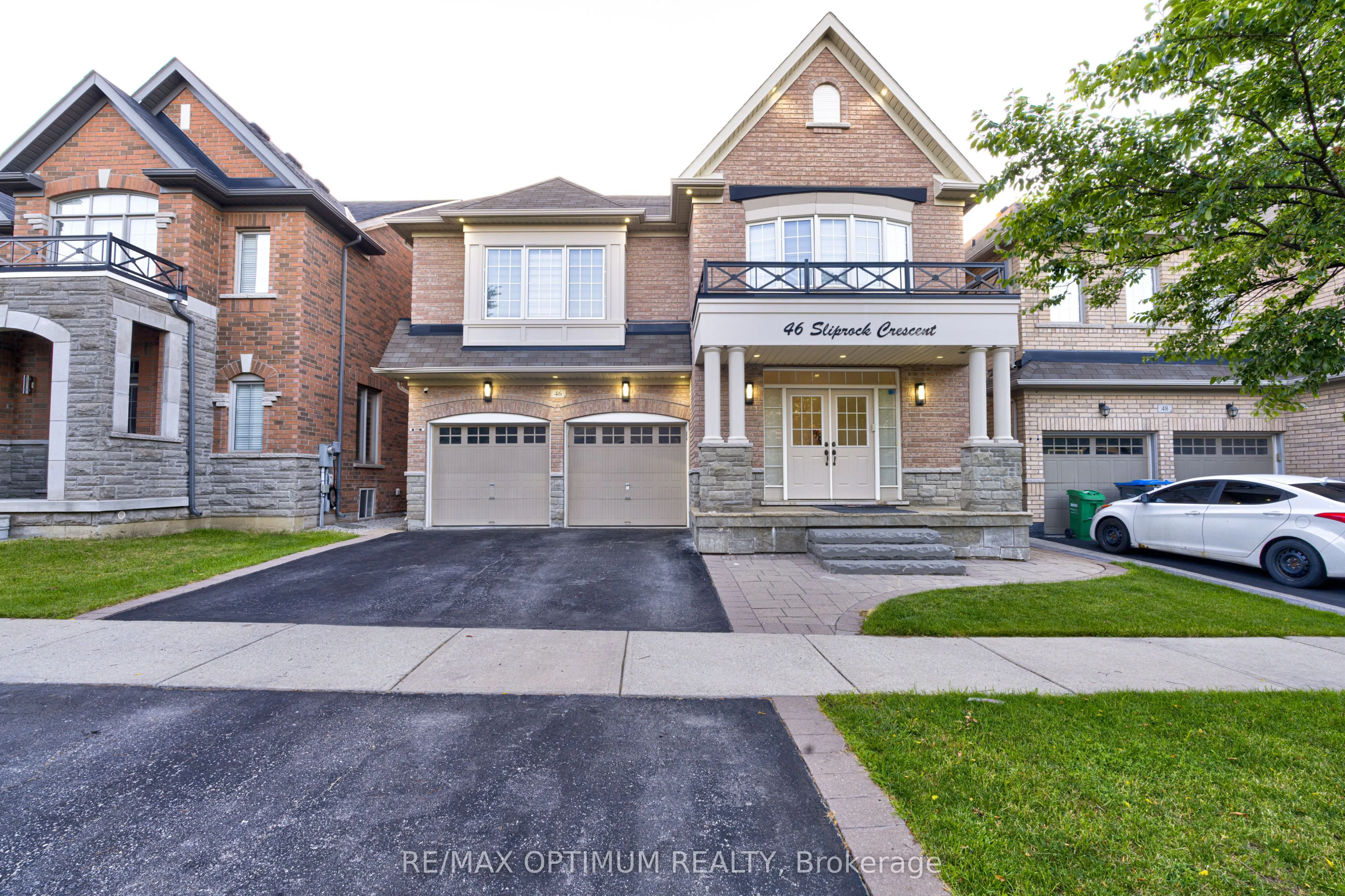
Buyer Representation vs. Searching Alone: What GTA Home Buyers Should Compare
Compare buyer representation with searching alone, including affordability, offers, negotiation, Ontario agreements, and closing support for GTA home buyers.
Read more